Untangling Tech Neck and Digital Overload in Remote Work Culture
Nate Holland · Oct 28, 2026 · 7 min read
The Hidden Weight of the Kitchen Table Desk
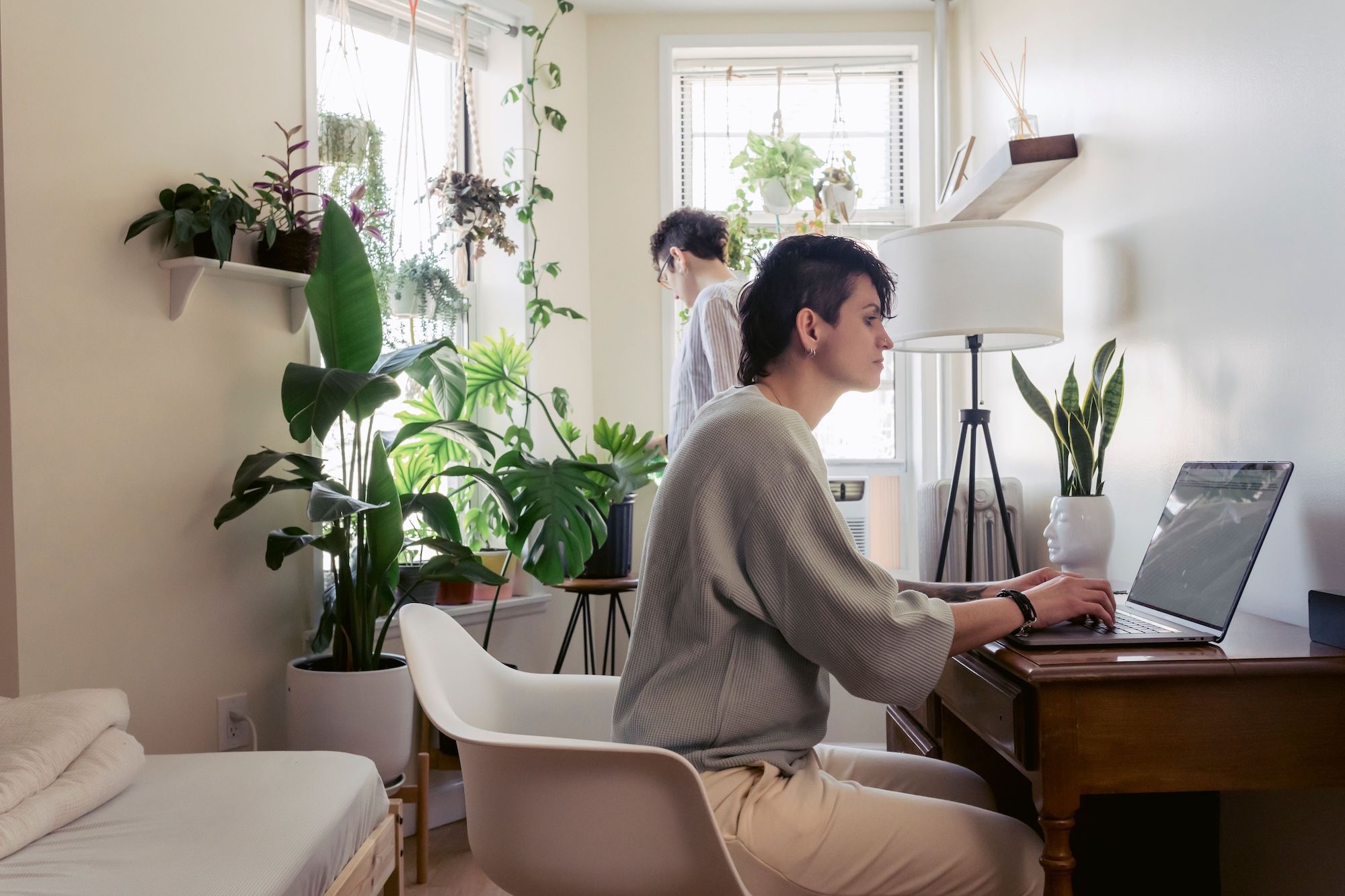
Tilt your head forward by just fifteen degrees, and the effective weight resting on your cervical spine doubles. Push that angle to forty-five degrees, a common slouch while reading a spreadsheet from a dining chair, and your neck muscles are suddenly wrestling with nearly twenty-two kilograms of pressure. That is heavy. It's no wonder so many home-based professionals finish their workday with aching shoulders, throbbing temples, and a strange sense of exhaustion that a standard night of sleep can't fix. Remote work promised freedom from gruelling commutes, yet it quietly introduced an ergonomic trap. Laptops placed flat on desks force the chin down and pull the upper back into a hunched, defensive curve.
When poor biomechanics become an ingrained daily routine, standard stretching rarely solves the underlying structural shift. Static stretches feel pleasant for five minutes, but they don't reprogramme bone alignment. This is where clinical disciplines like Chiropractic BioPhysics come into the picture. Rather than offering quick joint pops or superficial rub-downs, this method targets the actual curvature of the spine through measurable traction and mirror-image positioning. Restoring the natural cervical curve takes deliberate mechanical correction, particularly when eight hours of daily screen time actively pull the neck vertebrae out of true.
When Physical Strain Hijacks the Nervous System
Physical compression at the base of the skull does far more than make muscles feel tight. The suboccipital region houses an exceptionally dense network of sensory receptors that communicate directly with the brainstem. When those muscles seize up to keep a heavy skull from dropping forward, they trigger low-grade sympathetic arousal. Your nervous system interprets the mechanical distress as an environmental threat. Heart rate variability dips, breathing turns shallow, and your baseline stress response creeps upward without an obvious emotional trigger.
Layer digital saturation on top of that compromised posture, and the fatigue compounds quickly. Remote work tends to dissolve the natural micro-pauses that used to break up office days. There aren't any strolls across the floor to grab a printer tray or casual chats by the kitchen kettle. Instead, attention stays glued to back-to-back video calls, instant messaging alerts, and unyielding browser tabs. The brain ends up trapped in continuous partial attention, constantly scanning for the next ping while struggling to process the task at hand.
Visual fatigue acts as an unhelpful accomplice in this cycle. Staring at backlit pixels from a fixed focal distance causes the ciliary muscles inside the eyes to lock into a rigid spasm. Ever noticed how dry your eyes feel by mid-afternoon? To compensate for blurry or fatigued vision, people unconsciously lean forward by another few centimetres, worsening the strain on the spine. It becomes a vicious physiological loop where tired eyes drag the neck forward, and the strained neck stresses the nervous system, leaving remote workers drained before their afternoon meetings even wrap up.
Designing a Smarter Working Environment
Breaking this loop requires looking at the broader picture through the lens of lifestyle medicine. The core philosophy here is straightforward. Treat the underlying environmental and behavioural causes of chronic dysfunction rather than just masking the symptoms with painkillers. That means examining how sleep quality, regular joint mobilisation, stress management, and workplace setup interact across the entire day.
Small adjustments produce outsized results when applied consistently. Raising an external monitor so the top third of the display sits at eye level immediately removes the urge to drop the head. Keeping the forearms parallel to the floor prevents the shoulder girdle from hiking upward toward the ears. Beyond equipment, introducing thirty-second micro-breaks every half hour gives muscle fibres an opportunity to reset their resting tone. Standing up, rolling the shoulders backward, and gazing out a window at a distant tree line breaks both the focal lock of the eyes and the static posture of the spine.
Mental Recovery Beyond Screen Time
Physical realignments only address half of the puzzle; the overloaded brain also needs an active way to uncoil. When mental fatigue sets in, the standard reaction is often to swap a work display for a phone screen, which only feeds the same cognitive fatigue. Engaging in online arts therapy offers a far more restorative pathway. Through structured, virtual guidance with a registered professional, individuals use drawing, painting, or tactile sculpting to process work stress non-verbally, giving the analytical left hemisphere of the brain a genuine break while staying within the convenience of their home environment.
Creative, hands-on expression engages sensory pathways that remote work systematically ignores. Working with charcoal, clay, or watercolour paints forces the hands away from the keyboard and shifts the focus from rapid digital consumption to slow, deliberate creation. It pulls the mind into a state of flow where the relentless buzz of unread emails fades away. Even thirty minutes of tactile, non-digital engagement can lower cortisol levels and calm an overactive nervous system.
Protecting Personal Boundaries in a Boundless Workspace
Long-term resilience in a home office comes down to establishing tangible boundaries between work and rest. Without a physical commute to signal the end of the day, professional duties easily bleed into evening hours. Creating an intentional shutdown ritual helps close that gap. Shutting down the computer completely, packing away peripheral cables, or taking a brisk ten-minute walk around the neighbourhood marks a psychological full stop.
Sustainable remote work isn't about banishing technology or demanding unattainable perfection from your posture. It's about understanding that the human body evolved to move, breathe, and rest within a three-dimensional world. By treating physical alignment and mental recovery with the same seriousness as project deadlines, working from home can finally become as energising as it was always meant to be.